Talablarga mos bloklash va markirovka (LOTO) dasturini qurish olti aniq bosqichdan iborat: rasmiy energiyani nazorat qilish dasturini yozish, uskunaga xos tartib-qoidalarni ishlab chiqish, standartlashtirilgan qurilmalarni tanlash, xodimlarni o'qitish, izolyatsiya qadamlarini izchil qo'llash va dasturni har yili tekshirish. Ushbu qo'llanma har birini ko'rib chiqadi.
1-bosqich — Energiyani nazorat qilish dasturini yozing
Qo'llanish doirasi, mas'uliyatlar va hamma amal qiladigan qoidalarni belgilaydigan hujjatlashtirilgan siyosatdan boshlang. Unda kim qulflarni o'rnatishga vakolatli ekanligi ko'rsatilishi, qurilma standarti tavsiflanishi va tekshiruv hamda o'qitish talablari bayon etilishi kerak. Bu OSHA 1910.147 talab qiladigan asosdir. OSHA 1910.147 qo'llanmamizga qarang.
2-bosqich — Uskunaga xos tartib-qoidalarni ishlab chiqing
Har bir uskuna uchun barcha energiya manbalarini, ularning izolyatsiya nuqtalarini va o'chirish, izolyatsiya qilish, bloklash, to'plangan energiyani chiqarish hamda tekshirishning aniq qadamlarini sanab o'tadigan tartib-qoida yozing. Mashina yonida saqlanadigan fotosuratlar va laminatlangan tartib-qoida kartalari ularga amal qilishni osonlashtiradi.
3-bosqich — Qurilmalarni tanlang va standartlashtiring
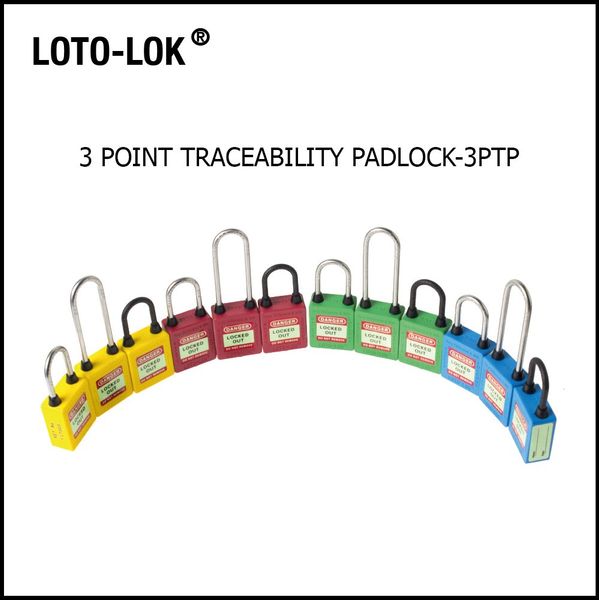
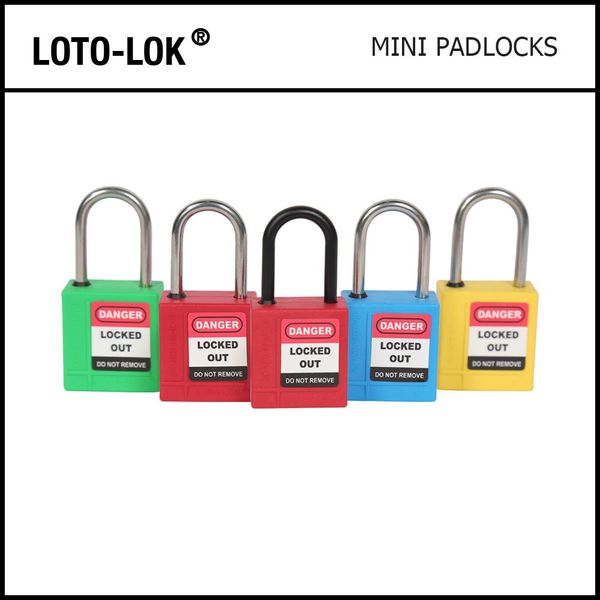
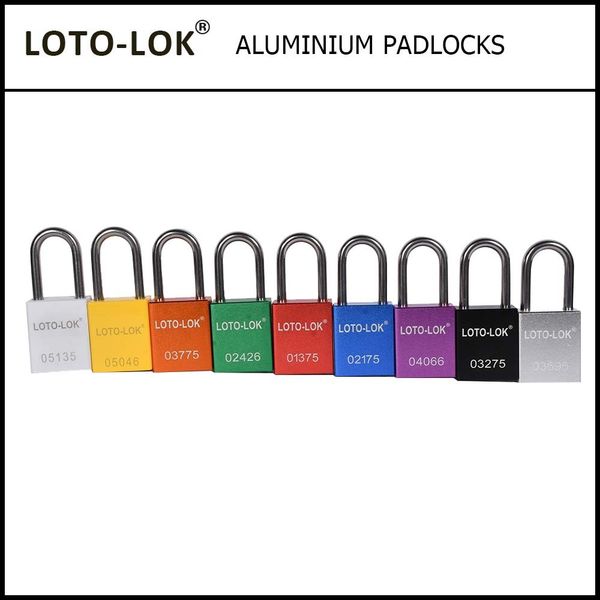
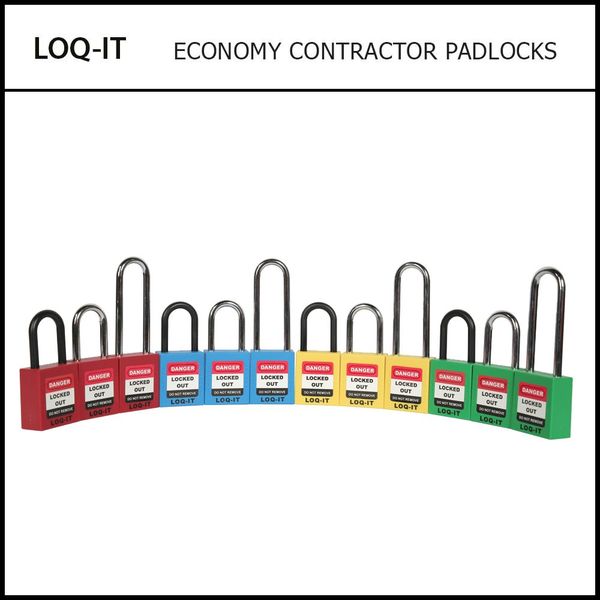
Qulflar darhol tanib olinishi uchun butun korxona bo'ylab yagona qurilma standartini tanlang. Tipik dastur quyidagilardan foydalanadi:
- Xavfsizlik qulflari — har xil kalitli, har bir vakolatli ishchiga bittadan.
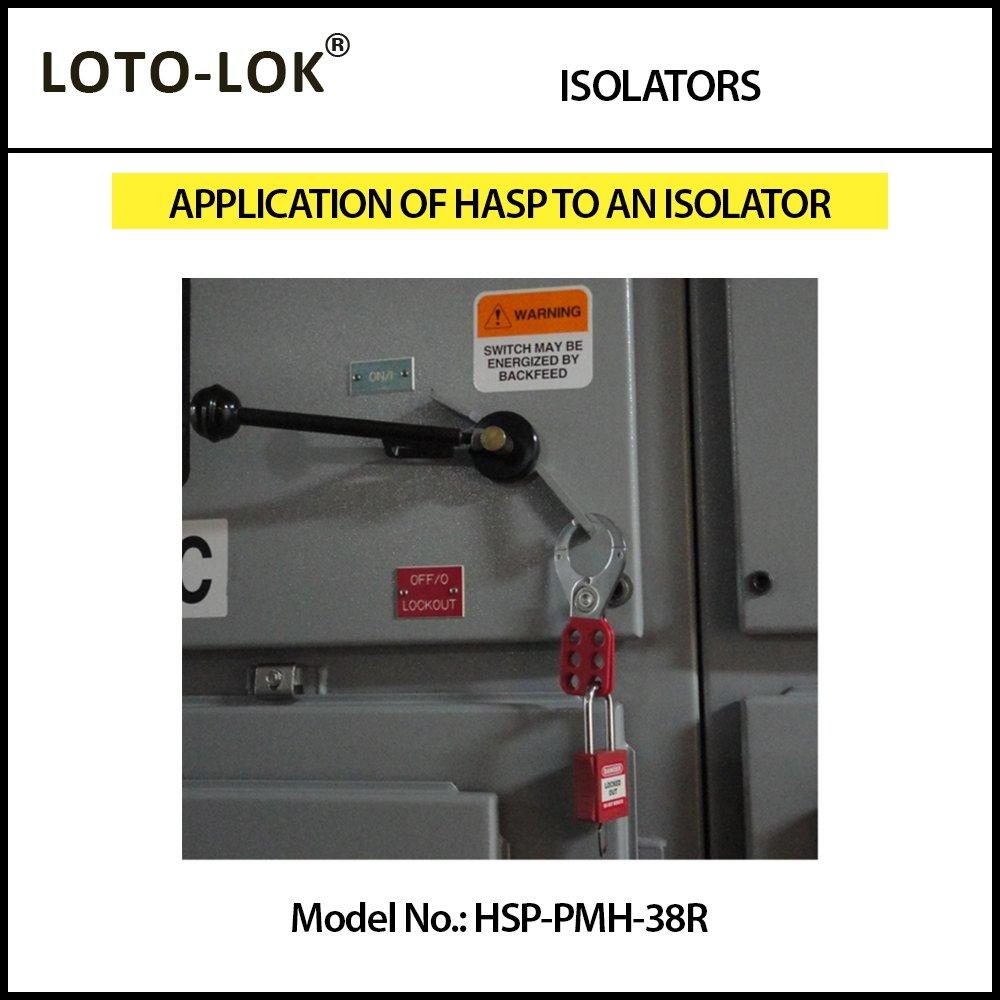
- Bir nechta qulf kerak bo'lgan nuqtalar uchun bloklagichlar (xasplar).
- Klapanlar, troslar va avtomatlar uchun maxsus bloklagichlar.
- Qurilmalarni qo'llash joyida tartibli saqlash uchun LOTO stansiyalari va soya taxtalari.
Tayyor LOTO to'plami — har bir vakolatli ishchini jihozlashning oson usuli.
4-bosqich — Xodimlarni o'qiting
OSHA uch rolni belgilaydi. Vakolatli xodimlar LOTOni bajaradilar va to'liq tartib-qoidaga o'rgatilishi kerak. Ta'sir ko'radigan xodimlar uskunani boshqaradilar va LOTO amal qilayotganini taniy olishlari kerak. Hududdagi boshqa xodimlarga tanishtiruv o'qitishi kerak. Tartib-qoidalar yoki vazifalar o'zgarganda qayta o'qiting.
5-bosqich — Izolyatsiya qadamlarini izchil qo'llang
Har bir o'chirish bir xil ketma-ketlikka amal qiladi: tayyorgarlik, o'chirish, izolyatsiya, bloklash va markirovka, to'plangan energiyani chiqarish va ishni boshlashdan oldin nol energiyani tekshirish. Bloklash va markirovka nima qo'llanmamiz ushbu olti qadamni batafsil ko'rib chiqadi.
6-bosqich — Dasturni har yili tekshiring
OSHA tekshirilayotgan tartib-qoidadan foydalanmaydigan vakolatli xodim tomonidan kamida yiliga bir marta davriy tekshiruvni talab qiladi. Natijalarni hujjatlashtiring, chetlanishlarni tuzating va uskuna o'zgarganda tartib-qoidalarni yangilang.
Oldini olish kerak bo'lgan keng tarqalgan xatolar
- Uskunaga xos emas, balki umumiy, hammaga yaroqli tartib-qoidalar.
- Master-kalitli yoki umumiy qulflardan foydalanish (taqiqlanadi — bir qulf, bir kalit, bir ishchi).
- Ishni boshlashdan oldin tekshirish bosqichini o'tkazib yuborish.
- Yillik tekshiruv yoki o'qitish yozuvlarining yo'qligi.
Uni qurishda yordam beramiz
O'zbekistonda LOTO Safety Products mahsulotlarining vakolatli distribyutori sifatida biz qurilmalarning to'liq assortimentini yetkazib beramiz va bepul ob'ektda LOTO baholashni taklif qilamiz — korxonangizni aylanib chiqamiz, energiya manbalari va izolyatsiya nuqtalarini aniqlaymiz hamda sizga kerak bo'lgan aniq qurilmalar va tartib-qoidalarni tavsiya qilamiz. Baholashni rejalashtirish uchun jamoamiz bilan bog'laning.