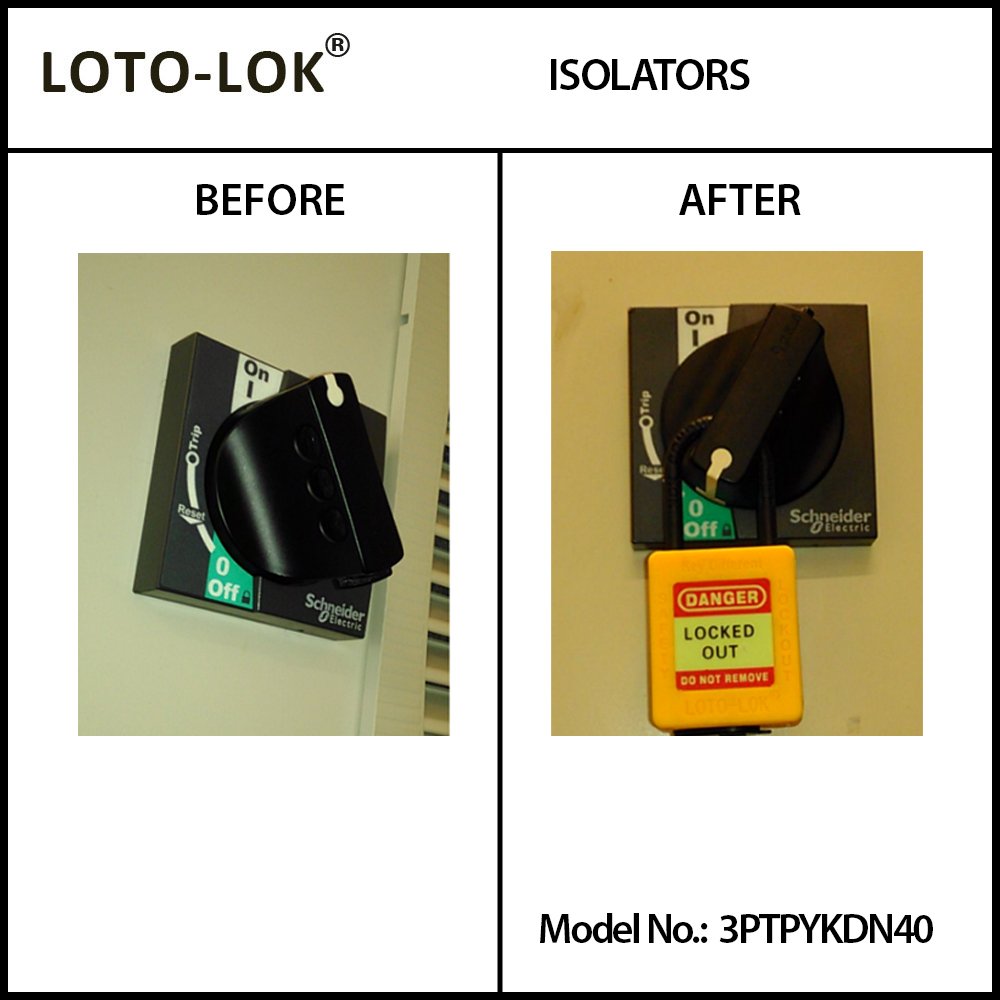
OSHA 29 CFR 1910.147 — xavfli energiyani nazorat qilish standarti bo'lib, ko'pincha "bloklash va markirovka standarti" (Lockout/Tagout) deb ataladi — ish beruvchilardan xodimlar texnik xizmat ko'rsatish va ta'mirlash ishlarini bajarayotganda mashinalarni o'chiradigan va xavfli energiyaning chiqishini oldini oladigan dastur va tartib-qoidalarni yaratishni talab qiladi. Bu dunyodagi eng ko'p keltirilgan xavfsizlik standartlaridan biri va har qanday LOTO dasturining asosidir.
Standart nimani qamrab oladi
1910.147 kutilmagan ishga tushish, energiya berilishi yoki to'plangan energiyaning chiqishi xodimga zarar yetkazishi mumkin bo'lgan mashina va uskunalarga xizmat ko'rsatish va ta'mirlashga taalluqlidir. U xavfli energiyaning barcha turlarini qamrab oladi: elektr, mexanik, gidravlik, pnevmatik, kimyoviy, issiqlik va gravitatsion.
Energiyani nazorat qilish dasturining uch qismi
OSHA uch elementga asoslangan hujjatlashtirilgan energiyani nazorat qilish dasturini talab qiladi:
- Energiyani nazorat qilish tartib-qoidalari — har bir mashinani o'chirish, izolyatsiya qilish, bloklash va tekshirish bo'yicha yozma, uskunaga xos qadamlar.
- Xodimlarni o'qitish — har bir xodim dasturni va undagi o'z rolini tushunishi uchun.
- Davriy tekshiruv — tartib-qoidalarga to'g'ri amal qilinayotganini tasdiqlash uchun kamida yiliga bir marta.
Bloklash markirovkadan afzalroq
OSHA energiyani ajratuvchi qurilma qabul qila oladigan har qanday joyda bloklashni (jismoniy qulf) talab qiladi. Markirovka (faqat ogohlantiruvchi teg) faqat qurilmani bloklash mumkin bo'lmaganda ruxsat etiladi va xodimni to'liq himoya qilishi kerak. Uskuna almashtirilganda yoki yangilanganda u bloklash imkoniyatini qo'llab-quvvatlashi kerak.
Bloklash qurilmalariga qo'yiladigan talablar
1910.147(c)(5) ga muvofiq, bloklash qurilmalari quyidagicha bo'lishi kerak:
- Mustahkam — maksimal ta'sir muddati davomida muhit sharoitlariga bardosh bera oladigan.
- Standartlashtirilgan — butun korxona bo'ylab rang, shakl yoki o'lcham jihatidan bir xil.
- Ishonchli — ortiqcha kuch yoki asboblarsiz olib tashlab bo'lmaydigan darajada mustahkam.
- Aniqlanadigan — ularni o'rnatgan xodimning shaxsini aniq ko'rsatadigan.
Shu sababli talablarga mos dasturda improvizatsiya qilingan vositalar emas, balki maxsus xavfsizlik qulflari, bloklagichlar (xasplar) va ogohlantiruvchi teglar ishlatiladi.
Majburiy izolyatsiya ketma-ketligi
Har bir mashina uchun vakolatli xodimlar belgilangan ketma-ketlikka amal qiladilar: o'chirishga tayyorgarlik, o'chirish, har bir energiya manbasini izolyatsiya qilish, bloklash/markirovka qurilmalarini o'rnatish, to'plangan yoki qoldiq energiyani chiqarish va ishni boshlashdan oldin izolyatsiyani tekshirish. To'liq bosqichma-bosqich tavsif uchun bloklash va markirovka nima qo'llanmamizga qarang.
Davriy tekshiruv va o'qitish
Dastur kamida yiliga bir marta tekshirilayotgan tartib-qoidadan foydalanmaydigan vakolatli xodim tomonidan tekshirilishi va har qanday chetlanishlar tuzatilishi kerak. Vakolatli, ta'sir ko'radigan va boshqa xodimlar dastur bo'yicha o'qitilishi va tartib-qoidalar yoki ish vazifalari o'zgarganda qayta o'qitilishi kerak.
Talablarga muvofiqlikda qanday yordam beramiz
O'zbekistonda LOTO Safety Products mahsulotlarining vakolatli distribyutori sifatida biz 1910.147 talablariga javob beradigan standartlashtirilgan, mustahkam bloklash qurilmalarini yetkazib beramiz va energiya manbalaringizni xaritalashtirish hamda talablarga mos tartib-qoidalarni ishlab chiqishga yordam berish uchun bepul ob'ektda LOTO baholashni o'tkazamiz. Boshlash uchun jamoamiz bilan bog'laning.