Lockout/tagout is one of OSHA's most-cited safety standards — ranking fourth in fiscal year 2025 with over 2,100 citations, up 24% in two years. The striking part is that the same handful of violations come up again and again, and every one of them is preventable. Here are the most common LOTO violations and how to avoid each.
1. No machine-specific written procedures
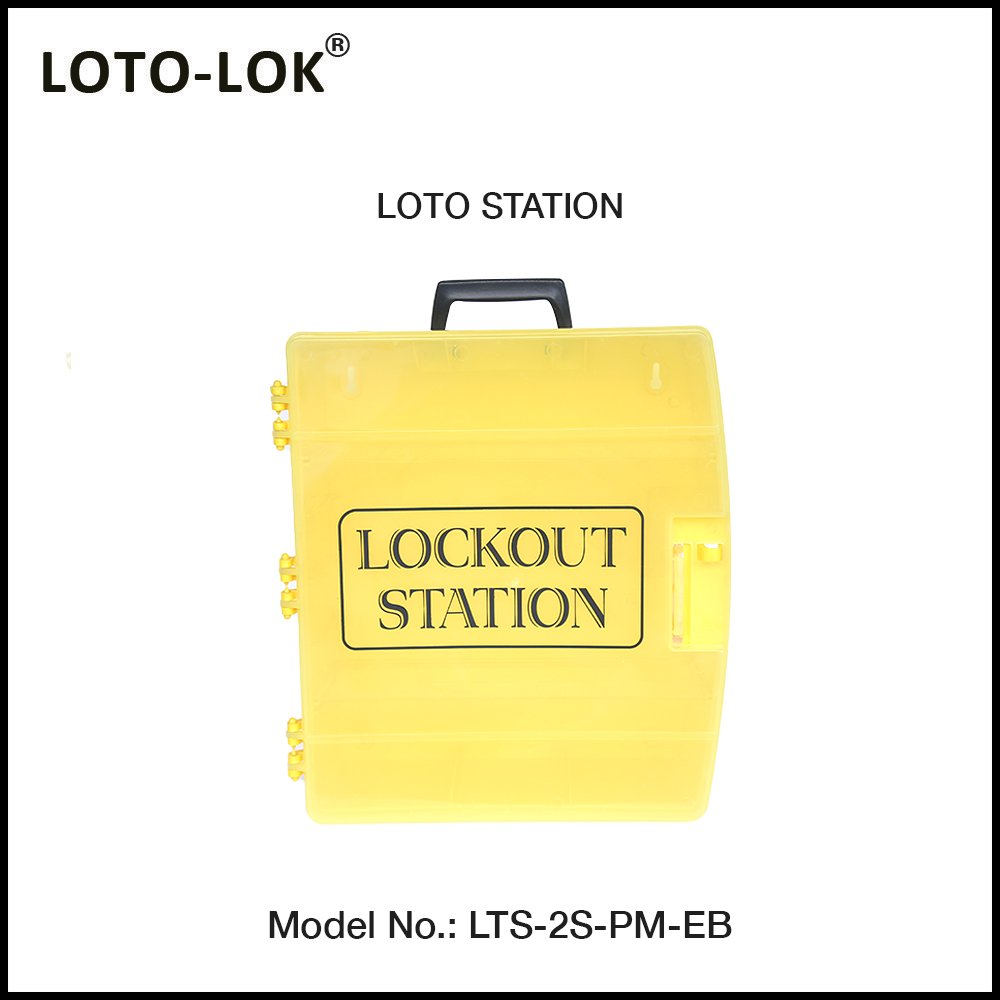
The single most-cited LOTO failure is having one generic policy instead of a documented procedure for each machine. The fix: write a procedure per piece of equipment that lists every energy source and isolation point, and update it whenever the equipment changes. Keep the devices that back it up — padlocks, hasps, and tags — organized on stations and shadow boards.
2. Failing to verify de-energization
Workers apply locks and tags but skip the verification step, assuming the breaker being off means the machine is dead — then a capacitor discharges or backup power kicks in. The fix: always test for absence of voltage before touching the equipment. Verification is the step that prevents the most injuries.
3. Using a tag where a lock is required
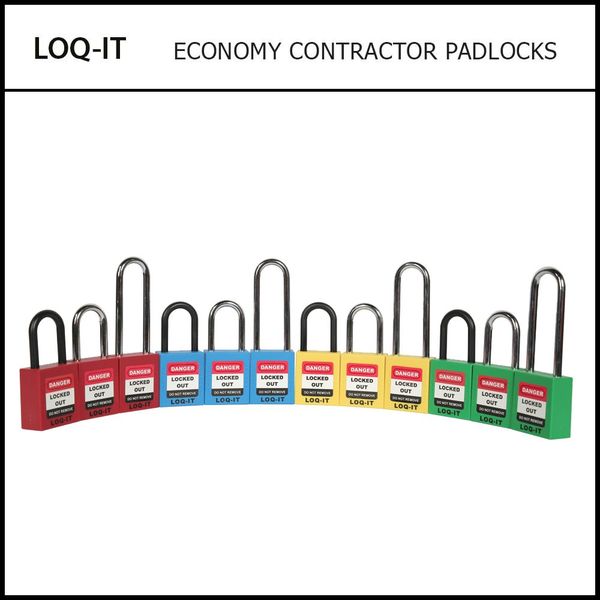
If an energy-isolating device can accept a lock, you must use a lock; tagout alone is only permitted when a device physically cannot be locked. The fix: equip every authorized worker with the right safety padlocks and hasps so a lock is always the default.
4. Missing secondary and stored energy
Facilities shut off electrical power and forget the pneumatic, hydraulic, mechanical, or gravitational energy that remains. The fix: identify every energy type during the procedure and isolate each one with the correct device — valve lockouts for pressurized lines, electrical lockouts for circuits.
5. No annual procedure inspection
OSHA requires a periodic inspection of each procedure, yet many employers write them once and never review them. The fix: schedule an annual review; it catches procedures that went out of date when equipment was modified.
6. Worker misclassification and training gaps
A common citation trigger is misclassifying employees. Anyone who occasionally verifies energy isolation counts as an authorized employee and needs full training, even if it isn't their main job. The fix: classify by what people actually do, and train accordingly.
Treat LOTO as discipline, not paperwork
The thread through every violation is the same: LOTO fails when it becomes a compliance checkbox instead of an operational routine. The right hardware makes the routine easy — see ready-made LOTO kits for each task.
Want a second set of eyes on your program? Request a free on-site LOTO assessment — our team serves facilities across Tashkent and Uzbekistan and will flag these gaps before an inspector does.